Gameplay
BRASS HELL gameplay explained: the order system, hands-on press crafting, crate packing, shipments, workshop growth and the incremental loop that never lets the orders stop.
Introduction
The gameplay category answers the biggest meta-question about BRASS HELL: what kind of game is this, exactly, and what are you actually doing each session? At its heart the game is an incremental factory simulator with a manual twist — the factory does not run itself while you watch. You are the production floor: you operate the press to craft rounds, load them into crates, carry shipments to the delivery point and spend the earnings in the workshop. This category breaks down each of those systems into readable layers so players understand the order screen, the crafting station, the delivery flow and the incremental economy before they jump into optimization. The articles here also explain what separates BRASS HELL from idle games and from other Roblox simulators: the hands-on press, the shared 4-player factory and the slow-burn mystery of the scattered documents. New players use this category to calibrate expectations, returning players use it to refresh system knowledge after patches, and both groups benefit from the honest framing that many details are community-observed because the developer has not published a full mechanics manual.
Core Systems at a Glance
| System | What It Does | Player Action | Why It Matters |
|---|---|---|---|
| Orders | Incoming requests that drive the whole loop | Read the order, plan the crates | Everything you craft exists to fill one |
| Hands-on crafting | The press produces rounds one at a time | Operate the press, manage materials | Makes BRASS HELL a manual, not idle, sim |
| Shipments | Completed crates leave the factory | Carry crates to the delivery point | Converts work into visible earnings |
| Workshop | The upgrade layer that expands the line | Spend earnings on upgrades | Raises output and unlocks new rounds |
Core Systems Overview
The Order Board
The demand engine that decides what you craft, how many crates you fill and when the loop moves forward.
Hands-On Press
The manual crafting core that makes BRASS HELL a working sim rather than a watching sim.
The Shipment Gate
The checkpoint that converts completed crates into real earnings at the edge of the production floor.
The Economy Circuit
The incremental loop where workshop earnings make the next loop faster and unlock new rounds.
Core Mechanics
Everything in BRASS HELL gameplay belongs to one of four systems: the order board, the press-and-crate crafting flow, the shipment gate and the workshop economy. The order board is the demand engine — it lists what the factory must produce, and completing orders is the only route to progress. The crafting flow turns materials into rounds through the press, then moves the rounds into wooden crates; this is where hands-on time actually happens, because the press must be operated manually and materials must be carried between stations. The shipment gate is the checkpoint that turns completed crates into earnings at the delivery point, which keeps the loop honest: no delivered crate, no money. The workshop economy then closes the circle by spending those earnings on upgrades that speed up the press, expand capacity, raise output and unlock new round types. Because these four systems form a single circuit, gameplay articles usually trace the same route — order in, craft, pack, ship, upgrade — while focusing on whichever layer the reader is struggling with. Understanding the circuit is more valuable than memorizing any single station, because every patch changes small numbers within systems that never leave the loop.
Key Advantages
The gameplay category's main strength is that its systems are genuinely legible once explained. BRASS HELL is not a sprawling RPG with fifty overlapping bars; it is a tight production circuit, and our articles exploit that by mapping each mechanic to one of four clear systems. That mapping lets a new player go from confused to competent in a single reading. The category also benefits from the manual-crafting identity of the game: because the press is hands-on, gameplay discussion stays concrete — there is a physical station to talk about, a rhythm to describe and a division of labor to plan. Co-op is another advantage: the shared factory gives gameplay writers a natural angle on how systems change when four hands run one floor. Finally, the honest community-observation framing works in our favor because it builds trust — readers know these system summaries are written from play and research, not copied from a missing official manual.
Challenges & Weaknesses
The honest weakness of a gameplay category for BRASS HELL is the same one that limits the whole wiki: the developer publishes almost no official mechanics documentation. That means system summaries depend on play observation, and subtle details — exact order scaling, precise press timings, hidden efficiency caps — may be described approximately. A second weakness is the early-access churn: a patch can rebalance which system dominates, so a gameplay deep-dive written in October can feel dated by December. The category also has to fight the game's surface simplicity — the loop is short to describe, which can tempt writers into thin summaries; the useful articles are the ones that go beyond the loop outline into rhythm, bottlenecks and failure modes. Players who expect a long mechanical manual may be disappointed; the category instead offers a clear map plus signposts to the deeper crafting, upgrade and co-op pages.
Frequently Asked Questions
What kind of game is BRASS HELL?+
Does BRASS HELL play like an idle game?+
Is BRASS HELL a solo or multiplayer game?+
What should a new player understand first?+
Quick Tips
Treat the order screen as your only manager. The order lists exactly what the factory needs, which crate targets to prepare and what to deliver; second-guessing it or improvising your own production plan is how wasted crates happen. Reading orders first, every time, is the single cheapest habit that improves output.
Learn the rhythm of the press before you optimize anything. Sit with the manual crafting cycle until you can predict when each round drops, because that timing drives the whole station flow. Players who master press rhythm naturally keep materials waiting at the right moment instead of sprinting around in the panic phase between batches.
Watch the bottleneck, not the output. In a factory sim like this the floor's true speed is set by its slowest station, whether that is the press, the material pile or the delivery route. Find which station idles most often and fix that one first — it will do more for your per-minute earnings than polishing a station that is already fast.
Compare sessions, not minutes. BRASS HELL progress is easiest to judge between full play sessions rather than as a constant curve, because short bursts distort the picture. Note what you shipped and which upgrade you bought at the end of each session; the pattern across sessions tells you whether your loop is actually speeding up.
Featured

BRASS HELL first impressions: Active Factory Sim Review
BRASS HELL What Kind of Game? Roblox Factory Sim
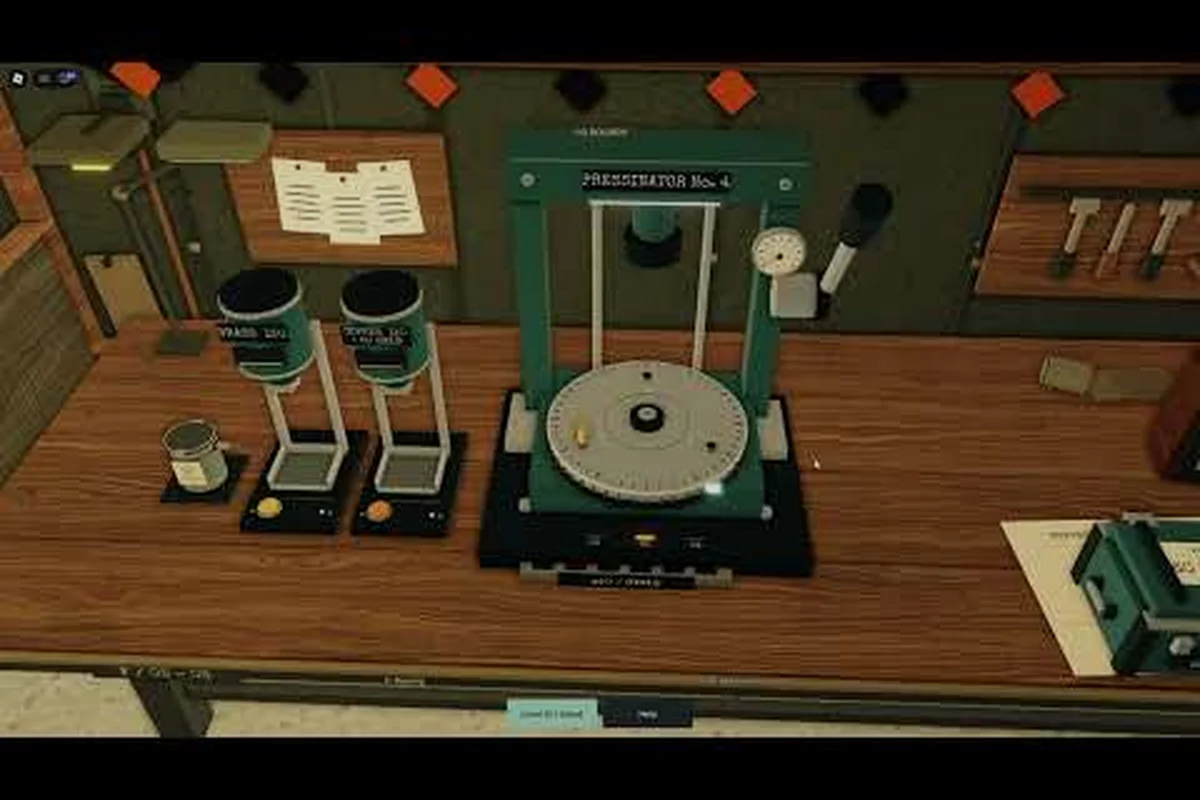
BRASS HELL Crate System: Orders, Stock, and Deliveries
All Articles
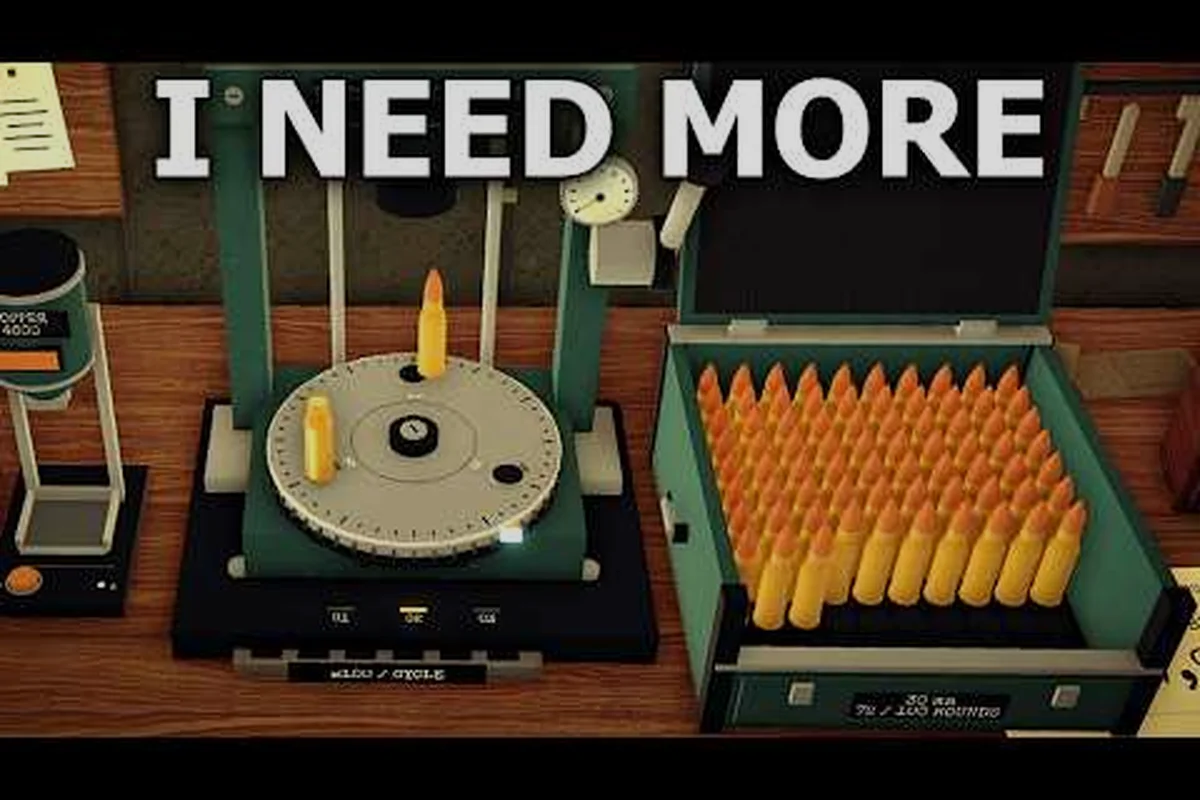
BRASS HELL factory gameplay: From Press to Shipment
BRASS HELL game mechanics: Orders, Presses, and Shipments
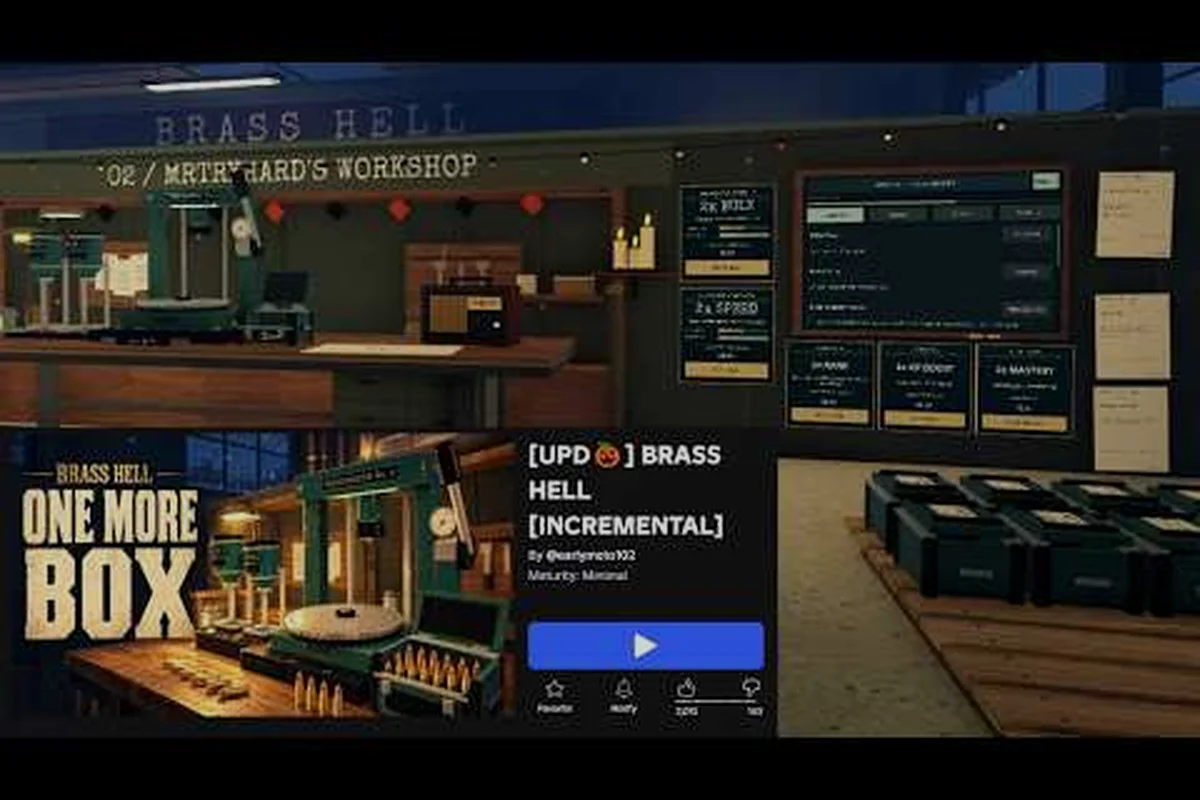
BRASS HELL How It Plays: Production, Orders, and Upgrades