
Progression
BRASS HELL progression explained: the fastest unlock order, grind efficiency, milestone planning and the compounding path from first crate to full late-game factory.
Introduction
The progression category distills BRASS HELL into a route: what to unlock, when, and in what order to keep your production loop compounding instead of stalling. Where other categories explain individual systems, progression pages treat the whole session as an economy — every shipment feeds the workshop, every upgrade feeds the next milestone, and the players who progress fastest are the ones who keep that chain unbroken. The core advice repeats across the category: set a single unlock target, fund it efficiently, hit the milestone, then immediately set the next target — because BRASS HELL rewards momentum, and the worst thing a player can do is stall between milestones while earnings sit idle. The category covers the full arc, from the first shipment that funds your opening upgrades to the end-game questions of what a fully built line looks like and how to keep it interesting after the loop slows. It also handles the solo-versus-co-op angle honestly: solo progression is fully possible and often cleaner to reason about, while co-op changes the math entirely because four players can fund milestones faster and run bigger lines. All numeric claims carry the 2026-10-31 snapshot warning, because early-access rebalances move unlock costs and milestone thresholds regularly.
Milestone Unlock Path
| Milestone | Requirement | Reward | Next Focus |
|---|---|---|---|
| First shipment | Fill and deliver one complete crate | First workshop earnings | Press speed upgrade |
| First upgrade tier | Fund press speed or capacity | Faster production loop | Workshop expansion |
| New round unlock | Advance the workshop chain | New crafting options | Re-rank crafting priorities |
| Full line | Build out a balanced workshop | Capacity to run big orders | Late-game meta and co-op scale |
Milestone Path Cards
First Shipment
The zero-to-one moment: your first completed crate becomes the first earnings that start the whole economy.
Upgrade Tier One
The first efficiency layer: press speed and capacity purchases that make the second loop faster than the first.
New Round Unlock
The first content reward of the chain — advancing the workshop unlocks new round types and changes crafting priorities.
Late-Game Line
The destination: a balanced workshop that runs big orders almost by itself, with co-op scaling the whole thing further.
Core Mechanics
Progression in BRASS HELL follows the same five-verb loop as every other category, but looks at it from the economy's perspective: earnings compound through the workshop, and the shape of that compounding decides how fast you climb. The mechanical chain is: shipments produce earnings, earnings fund upgrades, upgrades speed the production loop, the faster loop produces more shipments, and the growing factory unlocks new round types along the way. The category's analytical core is sequencing — players want to know which upgrades feed which milestones, when workshop expansion becomes affordable, and how far apart unlock tiers actually sit. The articles handle grind efficiency by comparing strategies: steady solo loops versus co-op splits, early press focuses versus expansion pushes, and the point where a bigger line stops being worth the upkeep. There is also a deliberate end-game section, because a fully expanded factory changes the feel of the game: with the line automated enough to run while you plan, the loop shifts from frantic manual work to rhythmic management. All numbers in these pages are snapshot data from 2026-10-31 and should be re-verified after every update, since early-access balance passes can shift milestone costs and thresholds without warning.
Key Advantages
A progression category is valuable in BRASS HELL precisely because the game hides its economy behind a very quiet interface — there is no built-in guide saying buy this, then this, then this. These pages supply that missing playbook, and the main advantage is momentum: players who follow a tested unlock order keep the production loop compounding, while unfocused players stall between milestones and feel like progress has stopped. The category is also analytically honest, which separates it from generic tips lists — every route article explains why a milestone sits where it does (feed the next upgrade, fund the next expansion, open the next round) rather than just presenting an order. Solo and co-op are both handled properly: the solo pages provide real single-player routes, while the co-op-flavored articles show how four funded players change the milestone math. Finally, the end-game pages give long-term players a destination — a reason to keep building beyond the first hour — instead of leaving them to discover the plateau on their own.
Challenges & Weaknesses
The progression category inherits the wiki's two structural limits: no official economy document and heavy early-access volatility. Without an official upgrade table, unlock costs, milestone thresholds and optimal orders are community-observed and can drift after any patch, so every route in the category is a dated snapshot rather than a permanent guide. Early-access rebalancing hits progression harder than other topics, because a single change to upgrade costs or unlock positions can invalidate yesterday's optimal order — the category mitigates this by dating claims and pointing back to the update pages, but readers who want a stable roadmap will be mildly frustrated. There is also a genre-ethical tension: incremental players love clean optimal paths, while this game honestly provides none for long, so the category must keep saying the quiet part out loud — the optimal order changes, the numbers get re-verified, and the methodology matters more than the specific route.
Frequently Asked Questions
What is the fastest way to progress?+
Can you complete BRASS HELL solo?+
What is an end-game in BRASS HELL like?+
Why did my progress suddenly feel slow?+
Quick Tips
Set one target per session and fund it fully. The fastest progress in an incremental comes from momentum, and momentum dies when earnings scatter across four half-purchased upgrades. Choose a single upcoming milestone before you start — press speed, capacity, an unlock — and push every shipment into it until it lands, then immediately name the next one.
Compounding beats hoarding. Money sitting in your wallet produces nothing; money spent on a useful upgrade produces forever. The exception is deliberately saving for an expensive unlock, which is fine — just time-box the save so it does not become a permanent stall. Every idle wallet is a quieter factory.
Re-check your route after every patch. Progression math is snapshot data, and early-access rebalances move unlock costs and thresholds often. When a new update drops, skim the update article, note any changed costs, and re-sort your near-term goals before grinding the old list into the ground. That two-minute habit keeps your grind aimed at the current economy instead of a dated one.
Use co-op to compress time, not to replace skill. Two players running the press and packing crates in sync will outpace twice the solo hours, because parallel stations remove dead time from the loop. If you play with friends, formalize the split so the shared factory never has two players at the same station while another idles.
Featured
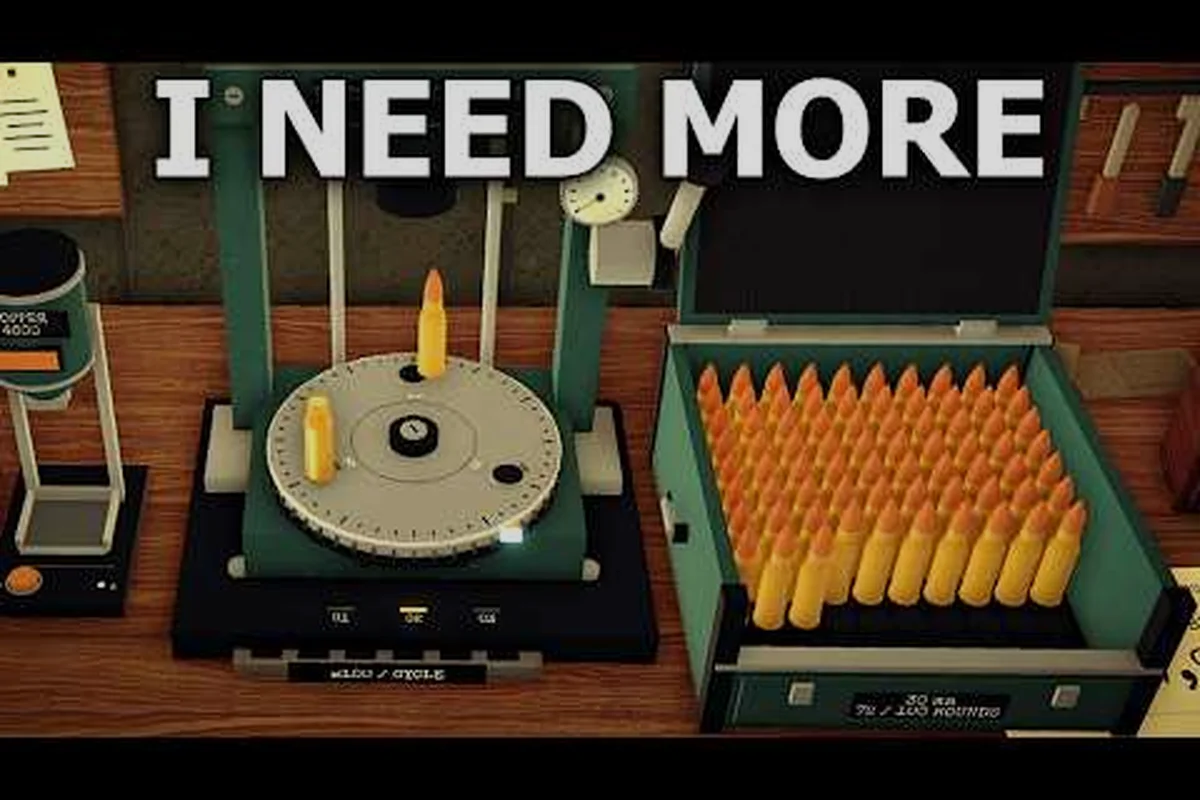
BRASS HELL progression guide: Unlock Orders Faster
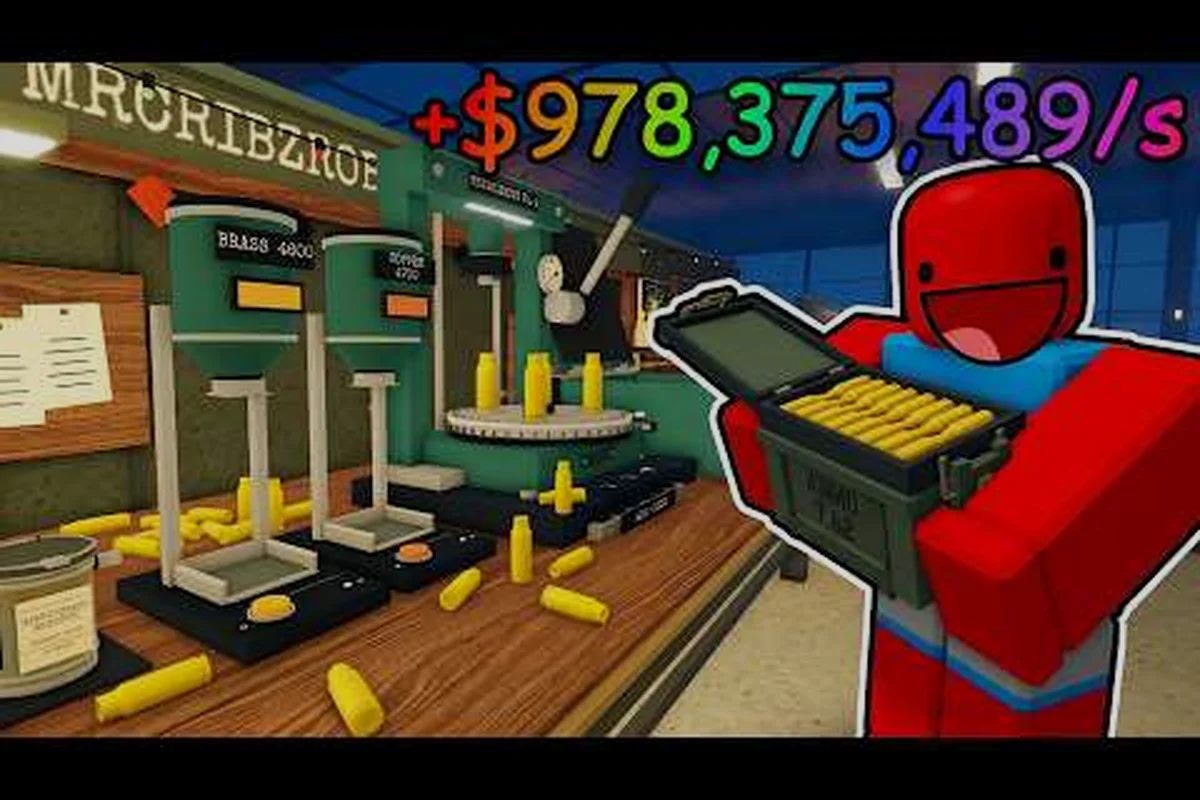
BRASS HELL Best Progression Path: Milestones to Unlock
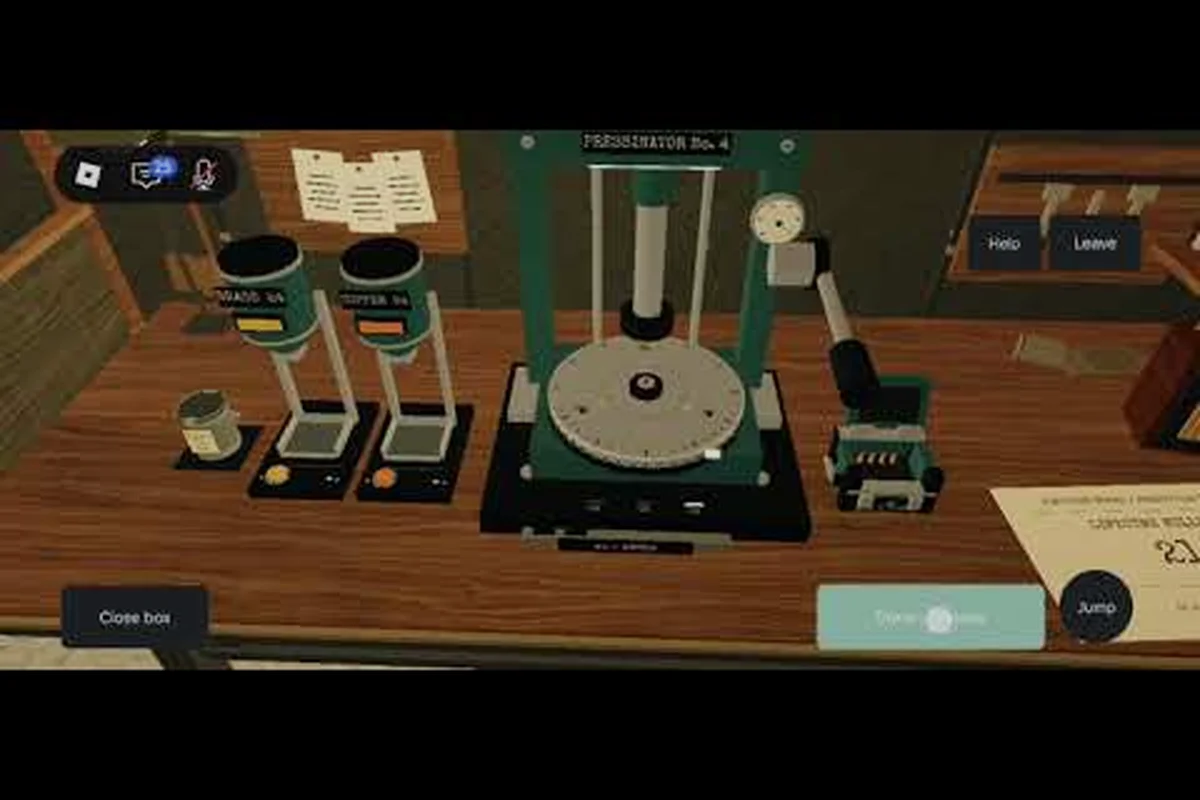
BRASS HELL end game guide: Unlock late content and scale output
All Articles
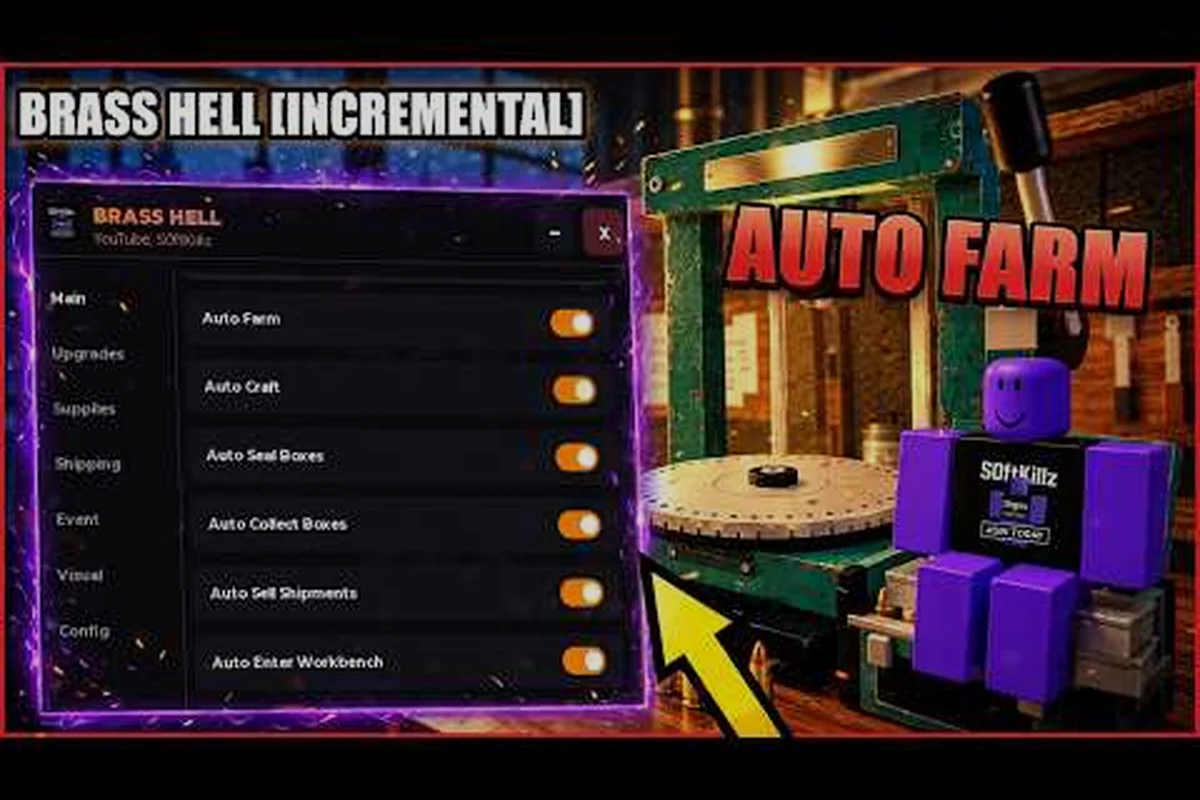
BRASS HELL End Game Rewards: Unlock Route and Milestones
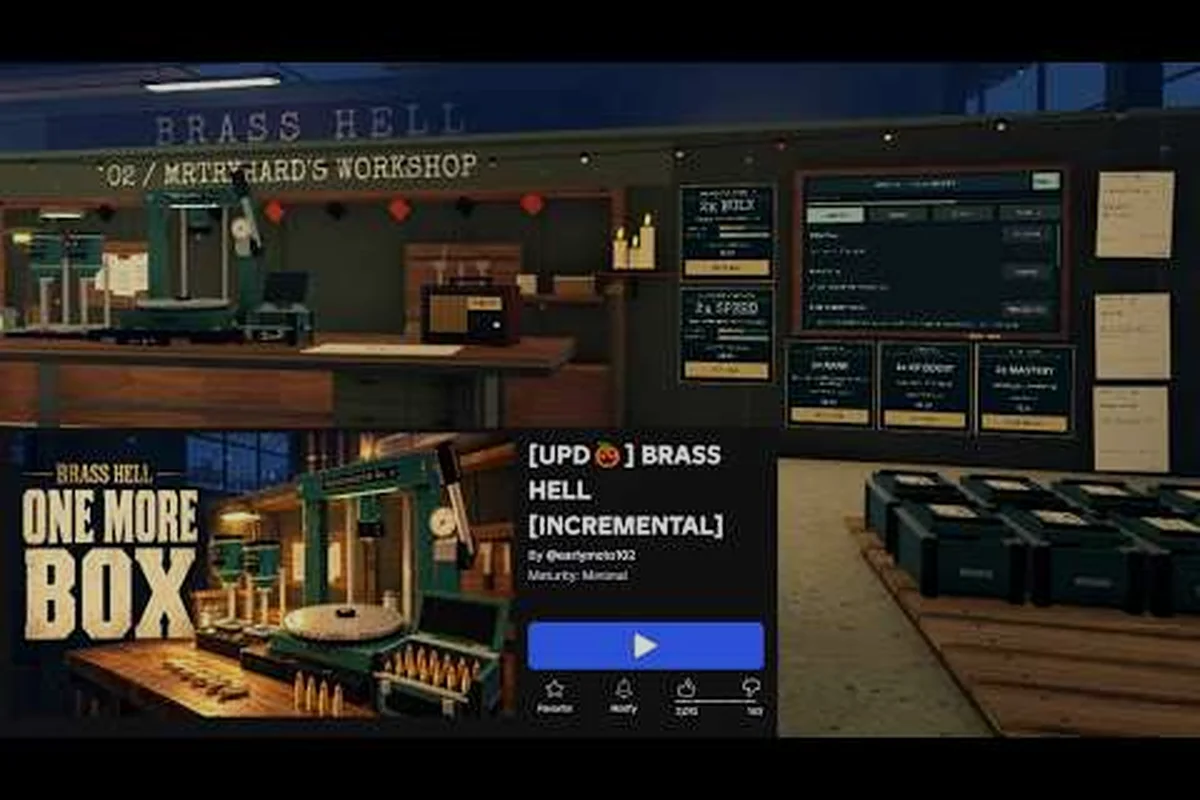
BRASS HELL How to Progress Solo: Unlock Order Guide
BRASS HELL How to Speed Up Gameplay Without Co-op