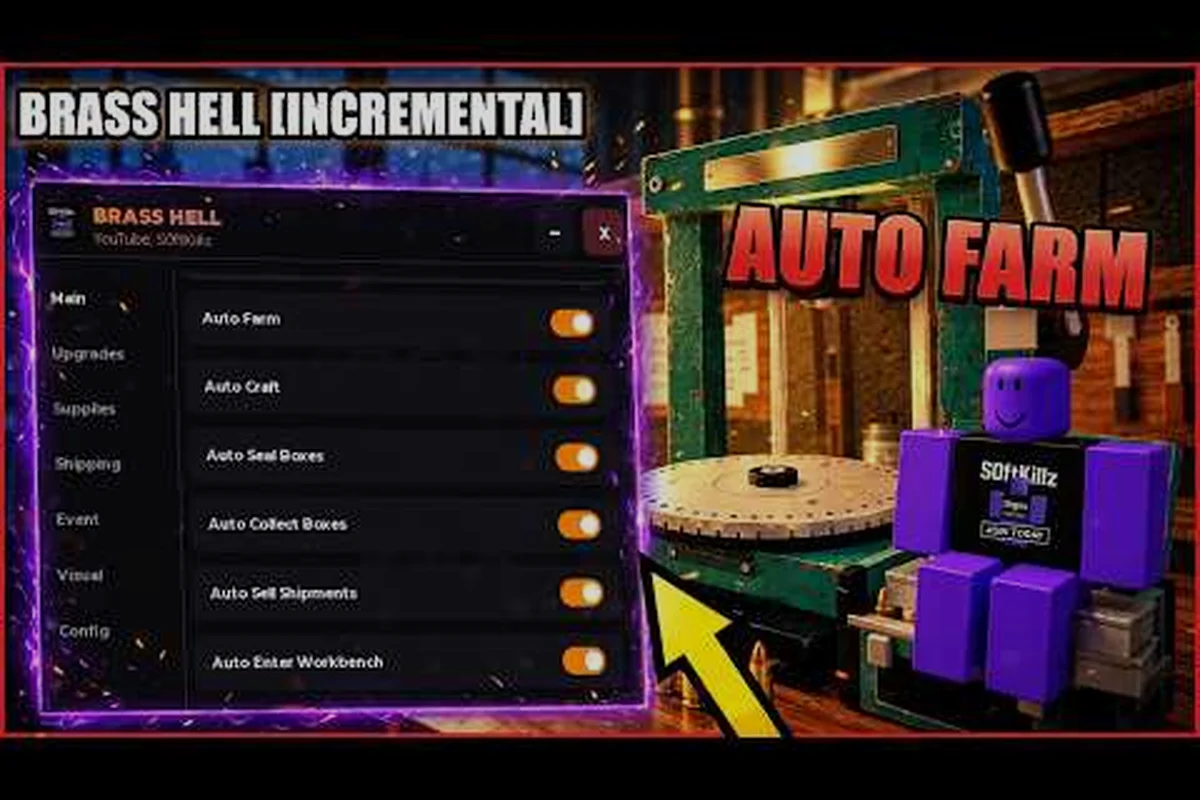
Updates
BRASS HELL update log: patch notes, version history, the Halloween UPD tag, early-access changes and what solo developer earlymoto102 ships next.
Introduction
The updates category is the changelog of a game that changes fast. BRASS HELL launched on October 4, 2026 as an early-access title and has been patched regularly since, with the page title itself announcing each release — the current full title is a Halloween-marked "UPD" build. These pages track the version history in plain terms: what changed in each update, how balance shifts reshaped crafting, upgrades and the ammo meta, and what the community noticed after each patch landed. Because the game comes from a solo developer, the update cadence is personal and can be irregular — there are no Big Publisher roadmaps here, only whatever earlymoto102 ships next — so the category doubles as a roadmap watch: which round types arrived, whether unlock costs moved, whether the Halloween event retouched the map. The articles cover the launch, the steady October patches, the release-era changes and the community reaction each time, always dated so readers know how fresh the information is. For regular players the category is the first stop after any title change: skim the update page, check what balance moved, then re-verify any tier list or upgrade priorities against the new numbers. Everything here carries the early-access warning — content and numbers can and will change, and the category exists precisely to keep up with that change.
Update Tracker (as of 2026-10-31)
| Period | Type | Highlights | Tracked In |
|---|---|---|---|
| Oct 4, 2026 | Launch | Early-access release of the factory sim | Release update article |
| Oct 2026 | Patches | Steady balance and content patches | October dev updates |
| Halloween | Refresh | UPD tag + seasonal touches on the title | Halloween event article |
| Ongoing | Roadmap | Solo dev ships new content regularly | Update guide + dev notes |
Update Milestone Cards
Launch Build
The October 4, 2026 early-access release that planted the blizzard factory and its 4-player shared loop.
October Patches
The steady first-month patch rhythm that reshaped costs, recipes and the meta between launch and late October.
Halloween Refresh
The UPD-tagged seasonal refresh that re-themed the title and signalled a fresh build without confirmed event content.
Roadmap Watch
Following a solo developer — collecting what the community can learn about what ships next.
Core Mechanics
Understanding BRASS HELL updates requires reading the game's early-access signals. The main signal is the page title itself: the developer prefixes the game title with a rotating UPD marker and holiday tags — the current Halloween-marked build reads "UPD Halloween BRASS HELL Incremental" in spirit, with the UPD tag signaling a fresh release. The second signal is the playable changes that matter to the meta: balance passes that adjust upgrade costs, press speeds, recipe flows or unlock positions; content drops that add round types; and map retouches that can shift spawn spots or document locations. The update articles decode each of those by comparing behavior before and after — what the developer changed, what the community noticed within a day, and which of your existing strategies need re-verifying. The category also follows the release rhythm of a solo developer: expect irregular but genuine cadence rather than scheduled patch days, and treat every build as potentially game-changing while it is in active development. Because the wiki itself cannot play-test immediately, update summaries combine community reports with careful labelling of what is confirmed versus anecdotal, and every article carries its date so readers can weigh freshness. The Halloween refresh gets special coverage because it touched both presentation — the UPD tag and seasonal title — and the community's seasonal expectations, even though it seems to be a title-and-marking refresh rather than a full seasonal event.
Key Advantages
A dedicated updates category earns trust quickly in an early-access community, because players need a reliable place to learn what just changed without parsing patch notes themselves. That is this category's primary advantage: a dated, readable changelog narrative that tells you what moved, why it matters and what to re-check before your next session. The second advantage is strategic freshness — because BRASS HELL balance shifts often, the update articles act as the re-calibration point for the rest of the wiki: after any patch, a reader can cross-reference the update page against the tier list or upgrade priorities and avoid playing on stale data. The third advantage is roadmap intelligence: following a solo developer means tracking what they ship next, and the update-and-dev pages collect those signals in one place, which saves players the trouble of hunting scattered social posts. Finally, the category covers the seasonal angle the community actually cares about — the Halloween UPD tag and the ongoing release cadence — giving lore-curious readers real context for why the game page keeps growing decorative prefixes.
Challenges & Weaknesses
The updates category fights an information disadvantage out of the box: the developer ships no official patch-notes page, so every change in this category is reconstructed from title markers, community reports and observed behavior rather than developer documentation. That makes some details anecdotal and dates approximate, and it means the category can only summarise what the community has noticed — subtle balance tweaks may slip through unreported. A second weakness is publish lag: a patch can land and rebalance half the game before verified community reports filter back, so the newest update pages are sometimes the freshest re-calibrations but also the least verified. The Halloween refresh also illustrates an expectation gap — the UPD tag and seasonal title raise player hopes for a full event, while the actual content appears to be a title-and-marking refresh, and the category has to communicate that honestly without either hyping or dismissing it.
Frequently Asked Questions
How often does BRASS HELL update?+
What is the UPD tag on the game title?+
How do I know if my strategy is outdated?+
Is the Halloween update a big event?+
Quick Tips
Check for a new UPD tag before your first session of the day. The title marker is the developer's own signal that a fresh release landed, and because early-access patches move balance often, one glance at the game page tells you whether this session should start with a wiki re-check or resume your old routine. It is a two-second habit that prevents days of grinding on stale numbers.
Re-verify upgrade priorities after every patch. Balance passes frequently touch upgrade costs and unlock positions, which shifts what the upgrades category recommends. When a new update article posts, skim it, note which costs or chains moved, and re-sort your near-term funding goals before dumping shipments into a strategy the patch just made obsolete.
Treat update dates as data. Every article in this category prints its snapshot date for a reason — in an early-access game, information half-decays quickly. When you compare an older guide against a fresh patch, weigh the date difference: numbers and placements from before the newest UPD tag are candidates for staleness, not certainties.
Follow the community reaction, not just the changelog. The developer ships no official patchnotes, so the most complete picture of any update comes from combining title markers, observed changes and community chatter — gameplay videos and forum posts often document balance moves before the wiki can verify them. Read the update article, then skim the community buzz column to see how the patch actually landed.
Featured
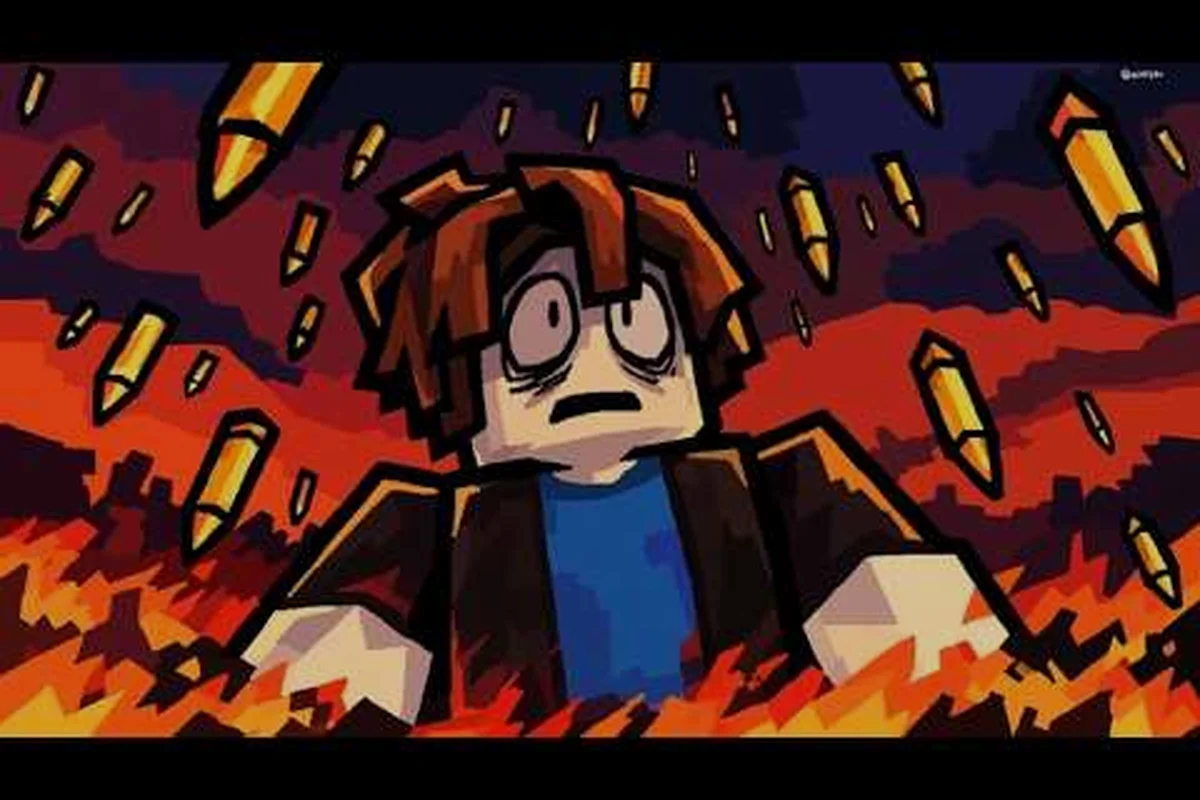
BRASS HELL Release Update: October 2026 History and Timeline
BRASS HELL Dev Update: What Developers Have Confirmed
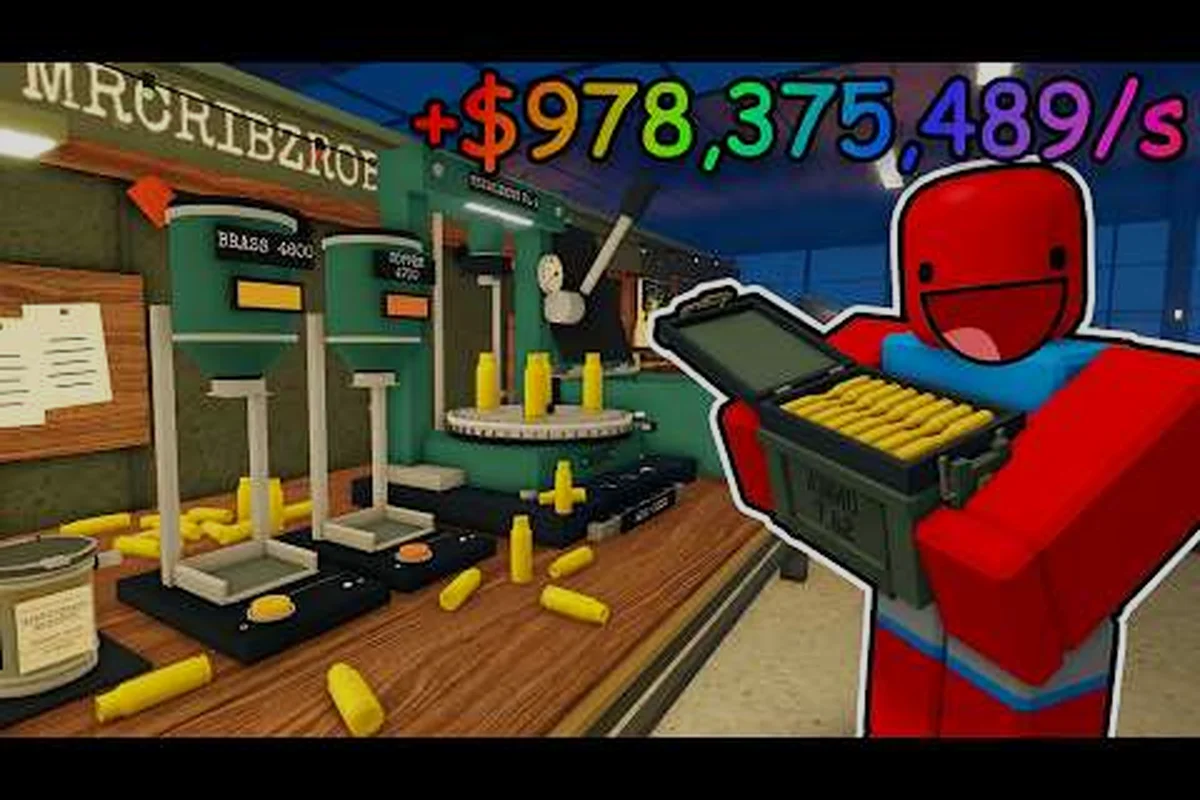
BRASS HELL Halloween Event: Update Marker and Rewards
All Articles
BRASS HELL new content: Halloween page refresh
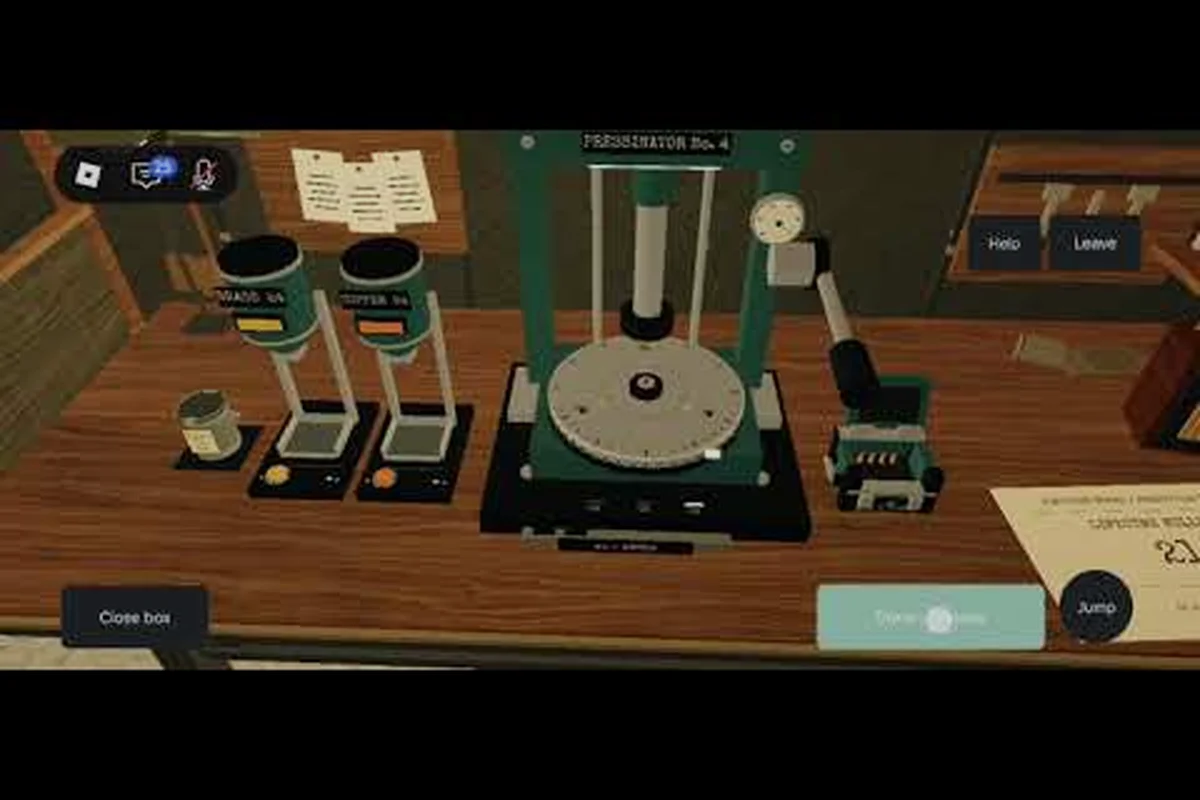
BRASS HELL New Update: October 31 Halloween Tag Explained
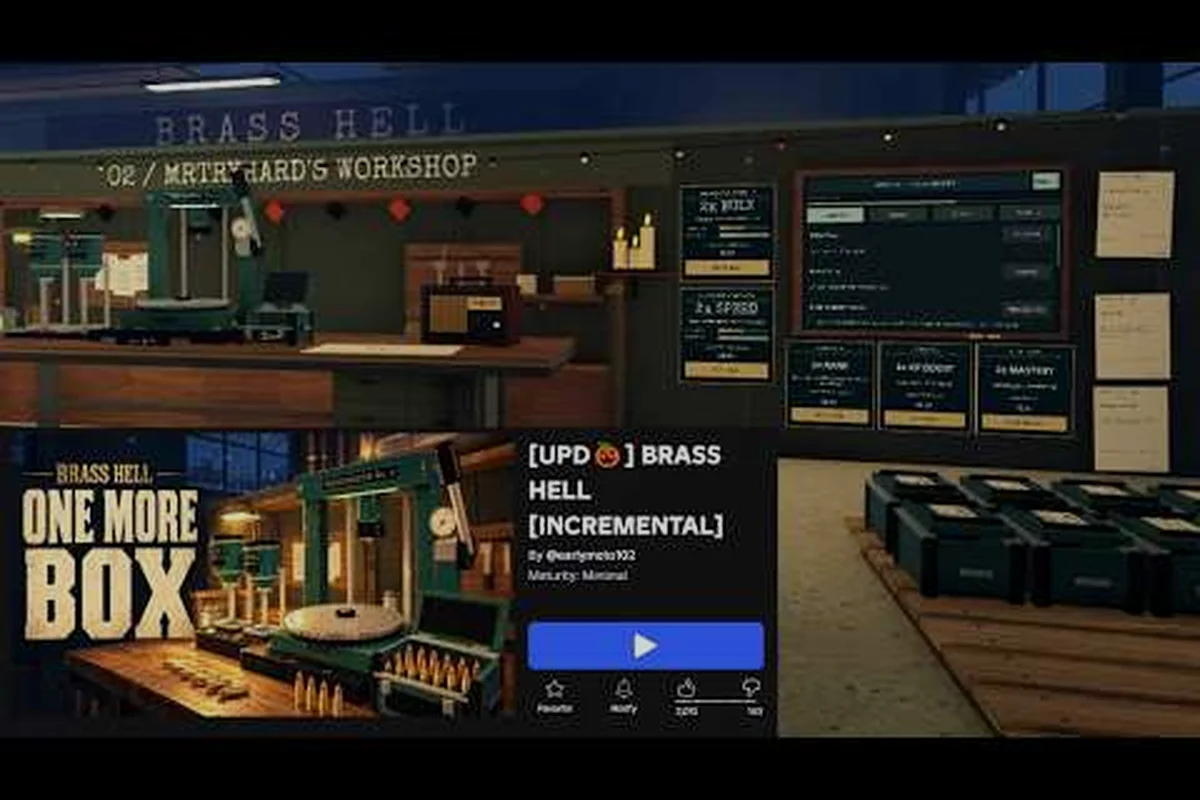
BRASS HELL Update: Latest Changes and Development Status