
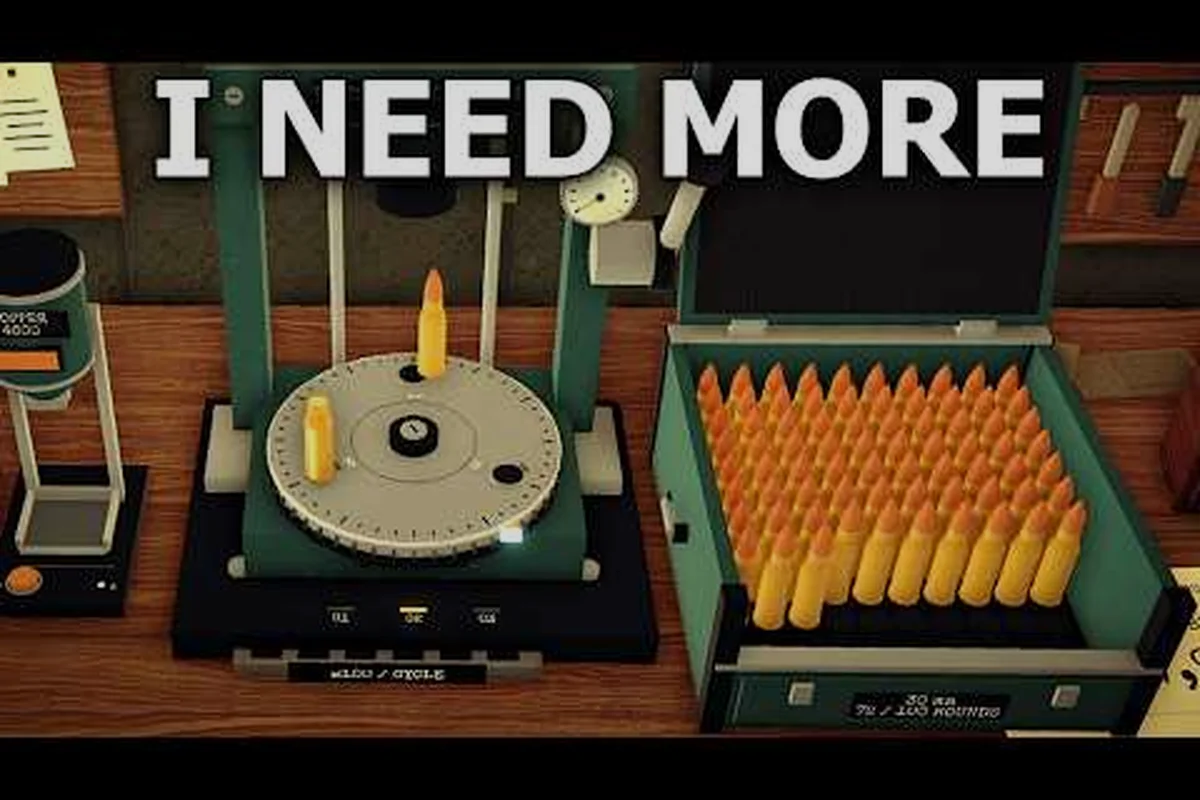
BRASS HELL cooperative play lets up to four players share a single factory floor, and the difference between a smooth shift and a stalled line comes down to role discipline. This BRASS HELL cooperative guide breaks down how to split press operation, crate packing, scouting, and delivery so nobody stands idle while the line backs up.
Why Role Splitting Beats Everyone Doing Everything
The single biggest mistake new teams make is treating the factory as a free-for-all where everyone sprints to the press and then scrambles for crates. According to the official Roblox game page, co-op supports up to four players sharing one factory for full-speed production, which means the game is explicitly designed around parallel work rather than duplicated effort. When four players all press at once, the output spikes briefly and then collapses because no one is packing finished rounds into crates or hauling them to the delivery point.
A clean four-role split keeps every station active at once, and that structure is the backbone of any reliable BRASS HELL party guide. The developer profile for earlymoto102 describes exactly this division: press operator, crate packer, delivery runner, and materials scout. Each role feeds the next, so the line never has a dead segment.
-
Press operator keeps rounds flowing and never leaves the machine mid-cycle
-
Crate packer converts loose output into shippable crates before the buffer overflows
-
Delivery runner moves finished crates to the drop point and returns empty-handed fast
-
Materials scout keeps raw input stocked so the press never starves
The value of this setup is throughput stability. A team of four running distinct roles will out-produce four players freelancing every single session, because the bottleneck moves instead of parking. If you are still figuring out how to get everyone into the same world, the 4-player guide walks through the invite flow before you worry about roles.
Setting Up Your BRASS HELL Lobby and Spawning Together
Before any role matters, everyone has to land in the same server. The BRASS HELL lobby guide side of co-op is simpler than most factory sims: the official page advertises a shared factory floor for up to four players, so the host creates the session and friends join that same instance. There is no separate matchmaking queue to fight — you spawn into the host's factory and immediately share the same machines, buffer, and delivery point.
The practical sequence for spawning with friends looks like this: the host opens the BRASS HELL lobby first and verifies the session is visible to friends before anyone launches the client, since a closed server forces every friend to rejoin from scratch. Each friend then connects through the host's profile or the in-game join prompt rather than a matchmaking queue, so the join order is simply whoever accepts first. Before the first round is pressed, the whole party should confirm they see the same press and crate buffer on their screens — if one player's view shows an empty buffer while the host's is full, that desync means someone is in the wrong instance and should rejoin. Only after that visual check does the team assign roles out loud, which prevents two players from both grabbing the press and leaving the delivery point unmanned on the opening shift.
-
The host launches BRASS HELL and confirms the server is open to friends
-
Each friend joins through the host's profile or the game's join prompt
-
Everyone confirms they see the same press and crate buffer before touching anything
-
The team assigns roles out loud before the first round is pressed
| Team Size | Recommended Split | Notes |
|---|---|---|
| 2 players | Press + pack/deliver combo | One player alternates packing and running |
| 3 players | Press, packer, runner/scout hybrid | Scout doubles as delivery on short routes |
| 4 players | Full four-role split | Highest sustained output, no idle stations |
For a two-player session, the BRASS HELL 2 player guide reality is that one person anchors the press while the other handles packing and delivery in a loop. It is tighter and less forgiving, but it still works if the packer never lets crates stack up. The moment a third player joins, pull delivery off the packer's plate and the line breathes.
Confirming Everyone Is Actually Synced
A quiet failure mode is spawning into different instances without noticing. Have each player state what they see on the press counter in the first thirty seconds; if the numbers disagree, someone is in the wrong server. Fixing this early costs seconds, while discovering it after ten minutes of pressing costs the whole run.
The Four Core Roles in Detail
This is where a BRASS HELL cooperative guide earns its keep, because vague role names do not survive contact with a live factory. Each role has a clear ownership boundary and a clear handoff. Take the Scrapper: their boundary is the salvage line and the compactor feed, and their handoff point is the moment refined ingots leave the smelter bay — if the Scrapper is still hauling ore when the first ingot drops, the smelter backs up and the whole line stalls. Naming who owns each machine, and exactly when control passes to the next role, is what separates a 3 player guide run that clears quota from one that drowns in overflow.
Press Operator
The press operator owns the machine and nothing else. Their job is to keep rounds coming at a steady cadence and to call out when the output buffer is filling. They should not abandon the press to chase crates, because a stalled press starves the entire downstream chain. Community gameplay from Tryhard_Playz on YouTube shows players hand-building large quantities of rounds at the press, which confirms the press is a sustained-attention station rather than a tap-and-leave one.
Crate Packer
The packer converts loose rounds into crates and keeps the buffer from overflowing. Their timing is the real skill: pack too early and you waste trips, pack too late and the press operator has to stop. A good packer watches the buffer level and starts a crate when it crosses roughly two-thirds full, so the press never pauses.
Delivery Runner
The runner takes finished crates to the delivery point and returns immediately. The cardinal rule is never walk back empty-slow — sprint back so the next crate is already waiting. On a four-player team the runner should also relay delivery timing back to the packer so crates are staged before the runner arrives.
Materials Scout
The scout keeps raw input stocked so the press never starves. On a three-player team this role often merges with delivery, which is why the BRASS HELL 3 player guide recommends the scout-runner hybrid. On four players, the scout can pre-stage materials near the press so the operator never has to leave the machine.
| Role | Primary Duty | Failure If Neglected |
|---|---|---|
| Press operator | Sustained round output | Line starves, nothing to pack |
| Crate packer | Convert output to crates | Buffer overflows, press stalls |
| Delivery runner | Move crates to drop point | Crates pile up, no progress banked |
| Materials scout | Keep raw input stocked | Press runs dry mid-cycle |
Communication and Callout Discipline
Roles only work if the team talks. Several stations compete for attention at once, and the official page notes that simple callouts about crate readiness and delivery timing are what keep the line from stalling. You do not need a formal comms system — three callouts cover almost everything.
-
"Buffer filling" — packer signals the press operator to hold or slow
-
"Crate ready" — packer tells the runner a crate is staged
-
"Input low" — press operator warns the scout to restock
Keep callouts short and specific. A team that narrates every action drowns out the signals that matter, while a silent team discovers problems only after the line has already stopped. The sweet spot is one callout per handoff, nothing more.
Rotating Roles to Avoid Fatigue
Long sessions wear down whoever holds the most repetitive station. Every few cycles, rotate the press operator and the packer so neither player burns out on the same motion. Rotation also builds redundancy: if one player has to step away, anyone can cover the press without a learning curve. This is the kind of small habit that separates a casual BRASS HELL party guide session from a team that can grind for an hour straight.
Scaling From Two to Four Players
Team size changes the optimal split more than anything else. A duo has to combine roles, a trio has one hybrid, and a full squad can specialize completely. Understanding the tradeoffs helps you decide who does what before the first crate ships.
| Team Size | Bottleneck Risk | Best Adjustment |
|---|---|---|
| 2 players | Packer overloaded | Alternate packing and delivery in fixed turns |
| 3 players | Scout coverage gaps | Merge scout with runner on short routes |
| 4 players | Overlap and confusion | Lock one role per player, no drifting |
At two players, the press operator is effectively permanent and the second player owns everything downstream. That is a lot of running, so the duo should agree on a rhythm: pack two crates, deliver both, return, repeat. At three, the third player floats between scouting and delivery, filling whichever gap is wider in the moment. At four, resist the urge to help elsewhere — drifting is the most common way a full team underperforms a trio.
If your group is still deciding how seriously to coordinate, the team play breakdown covers how shared stations behave when players overlap, which is useful before you commit to locked roles. The key detail is the interaction window: when two players reach the same press or packing bench, only one input registers, so a four-player squad that ignores locked roles can stall a crate mid-cycle while everyone assumes someone else is handling it. Read that breakdown before your first lobby, then set the split above — it is far cheaper to agree on who owns the press than to diagnose a stalled line mid-shift.
When a Player Drops Mid-Session
Losing a teammate mid-run does not have to end the session. The nearest player absorbs the vacated role, and the team shifts down one tier in the scaling table above. The press operator is the role you protect first, because a starved press stops everything downstream within seconds.
Avoiding the Most Common Co-op Bottlenecks
Most stalled factories trace back to a handful of repeatable mistakes, and the reason they feel random is that each one hides inside a different station: a press operator who wanders off to help pack, a packer who waits for a full buffer before touching a crate, a scout who ferries one material at a time instead of pre-staging a stack. Because the failure always shows up as an empty output slot rather than at the moment the player drifted away, fixing the cause is far faster than diagnosing the symptom live — especially in a 2 player or 3 player lobby where one unattended press stalls the whole line.
-
Everyone pressing at once — output spikes, then nothing gets packed; enforce one press operator
-
Packer waiting for a full buffer — pack earlier so the press never pauses
-
Runner walking back slowly — sprint returns keep crates staged
-
Scout leaving the press unattended — pre-stage materials instead of ferrying one at a time
-
No callouts — silent teams discover stalls after the fact
The pattern behind all five is the same: a station goes unattended because someone drifted toward the most visible task. Assigning ownership out loud at the start of the session prevents most of this before it starts. Players who want the full mechanical picture before their first co-op run can start with the beginner guide and then return here to divide the work.
Frequently Asked Questions
How many players can join a BRASS HELL cooperative session?
Up to four players can share a single factory floor, according to the official game page. The host creates the session and friends join that same instance, so everyone works the same press, buffer, and delivery point rather than separate factories.
What is the best role split for a two-player team?
One player anchors the press full-time while the other alternates packing and delivery in a fixed loop. Pack two crates, deliver both, then return. The press operator should never leave the machine, because a stalled press stops everything downstream.
How do I spawn with friends in BRASS HELL?
The host launches the game and opens the server to friends, then each friend joins through the host's profile or the in-game join prompt. Confirm everyone sees the same press counter before starting, since joining a different instance is a common silent failure.
Is a three-player team better than four?
Not automatically. A disciplined trio with a scout-runner hybrid often beats a disorganized four-player squad where roles overlap, because a fourth body on the floor adds another crate demand without adding throughput. Four players only wins when each person locks a single role — press operator, packer, runner — and resists drifting to help elsewhere; the moment two players both chase the delivery point, the buffer backs up and the press stalls. Treat the fourth slot as a dedicated runner who never touches the press.
Why does my factory stall even with a full team?
The usual cause is everyone pressing while nobody packs or delivers, so the output buffer overflows and the press stops. Enforce one press operator, one packer, and one runner, and use short callouts like "buffer filling" and "crate ready" to keep handoffs clean.
A cooperative BRASS HELL session succeeds on structure, not raw effort. Lock one role per player, keep the press attended at all times, pack before the buffer overflows, and sprint every delivery return — that combination keeps all four stations active and the line moving from the first crate to the last.